

Where Brilliance moves fast: Supporting the ADHD Child
I’m working with a brilliant 12-year-old boy with ADHD. His creativity (and sweetness) is off the charts.
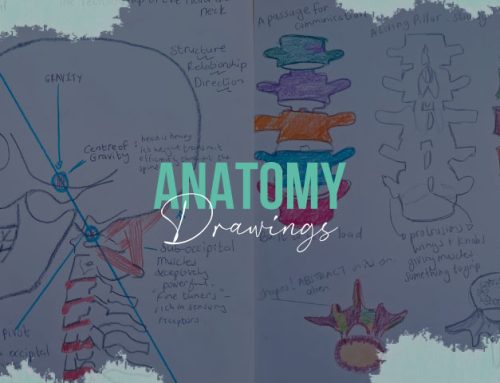
Lessons have been about easy chatting, together noticing what his body and mind are doing in response to known or unknown stimulants, a little curiosity with his anatomy, building and growing his capacity for conscious control and becoming attuned to himself. Creating a state of quiet and alertness. In Alexander Technique we might say learning inhibition, non-doing and how to ‘use’ yourself with ease and co-ordination. Sounds a bit serious. It’s fun.
Interestingly, one way to understand ADHD, neurologically, IS a difficulty with inhibition.
In physiological terms, inhibition refers to the process by which neural activity patterns are suppressed or regulated. This entails moderating impulses, filtering out irrelevant stimuli, and suppressing habitual responses in favour of adaptive decision-making.
Stimulant medications are the most common type of prescription medication used to treat ADHD. Despite their name, these medications don’t work by increasing your general stimulation. Rather, they work by increasing levels of certain chemicals (neurotransmitters) in your brain that help you think, pay attention and stay motivated. Helping the individual stop, pause and be deliberate with their choices and attention. Channel the energy, deliberately orchestrate the attention to fit the task.
This inhibitory capacity – the ability to pause in the face of a stimulus, to wait, to notice and choose, to have yourself, is exactly what Alexander Technique teaches, without medication. And the more we can learn to create a pause between the stimulus and response the more a quality of non-doing (quiet and alert) can be cultivated and available in the organism itself. The more empowered and present we can be.
Learning the Alexander Technique is also about learning to work with your awareness in a conscious and choiceful way. Awareness isn’t pulled and directed randomly or erratically; awareness can be harnessed, played with, deployed, expanded and contracted.
In an age when overstimulation can harm anyone—whether they have ADHD or not—practices like conscious inhibition, awareness, and deliberate choice become essential tools. These approaches help us break free from being controlled by our automatic and unconscious responses and set us up for greater presence, vitality and responsiveness making the most of the brilliant brains and bodies we have.
Supporting my student on his ADHD learning journey has been a lovely and deeply meaningful collaboration. We are whole, complicated, powerful beings — and bringing in other modalities alongside medication adds essential layers of learning and support. It’s through this layering that we harness our strengths, grow, and steadily become ourselves.

Leave A Comment